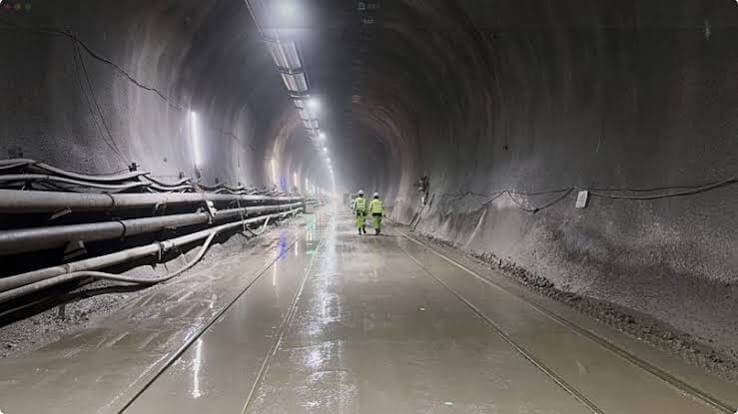
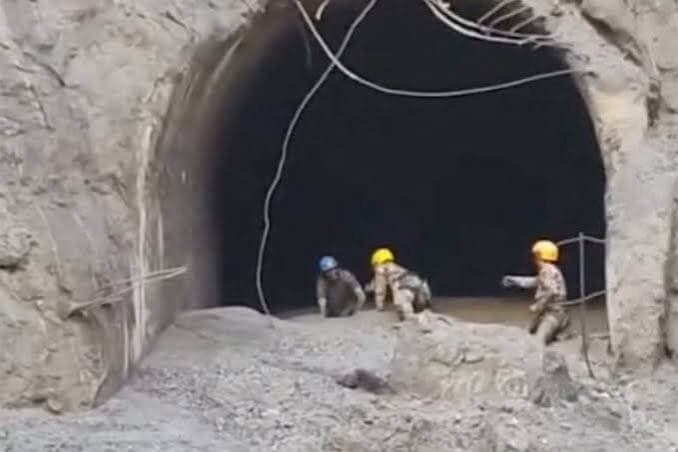
Under the ground solution in Bangladesh.

Tunnel waterproofing is essential for protecting underground and underwater structures from groundwater, hydrostatic pressure, water seepage and moisture-related deterioration. Level One provides professional tunnel waterproofing solutions designed to prevent water ingress, protect concrete structures, improve durability and maintain a dry, protected internal environment.
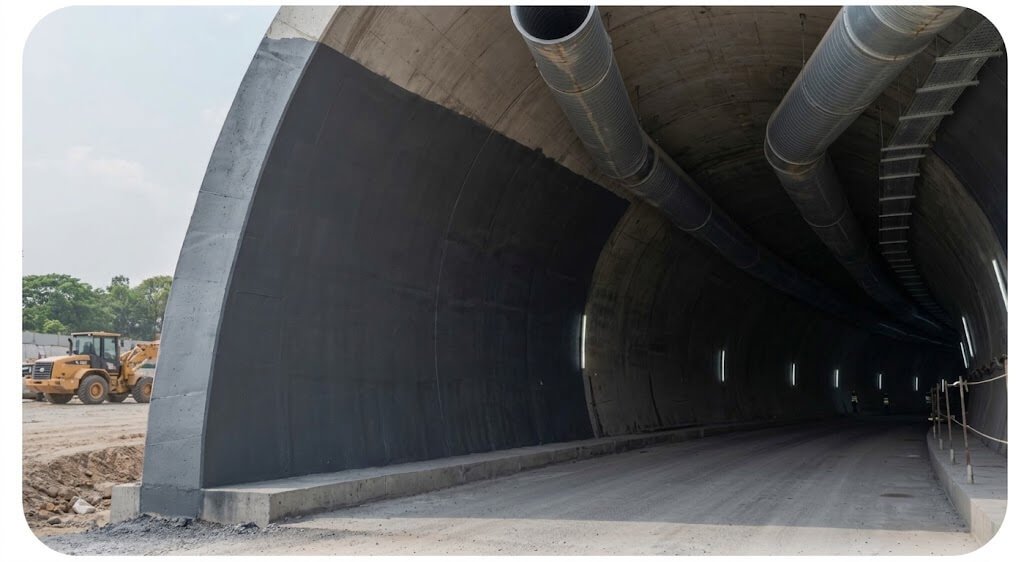
tunnel waterproofing

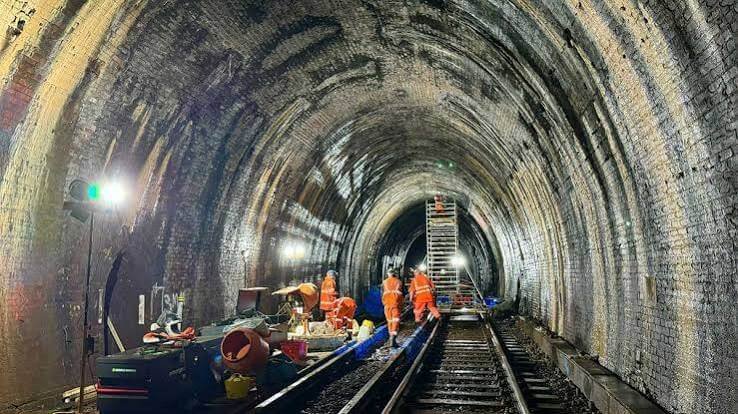
Concrete tunnel lining under construction — waterproofing is easiest to install correctly at this stage.
The problem underground

Why tunnel waterproofing is important

Underground and underwater tunnels are exposed to challenging environmental conditions. Groundwater and hydrostatic pressure create continuous water pressure against concrete structures. Without proper waterproofing, continuous water ingress can contribute to concrete deterioration, reinforcement corrosion, dampness, efflorescence and increased maintenance requirements. A properly designed tunnel waterproofing system helps create a durable barrier against water penetration and supports the long-term performance of the structure.

WATER MAY ENTER THROUGH
  • Concrete cracks
  • Expansion joints
  • Honeycombed concrete
  • Wall-to-floor junctions
  • Construction joints
  • Cold joints
  • Pipe penetrations
  • Porous / deteriorated concrete

A local example

Tunnel waterproofing example: the Karnaphuli Tunnel

The Karnaphuli Tunnel, developed as a multi-lane road tunnel under the Karnaphuli River in Chattogram, is a useful example when understanding the importance of professional waterproofing for underwater and underground structures in Bangladesh. Project documentation from the Bangladesh Bridge Authority highlights the importance of the tunnel’s waterproofing capacity and its measures for preventing and managing water penetration.

Note: Level One does not claim to have supplied or carried out waterproofing work for the Karnaphuli Tunnel unless specifically documented and verified.

Groundwater and surrounding water pressure

Concrete durability

Water ingress pathways

Construction and expansion joints

Tunnel drainage

Concrete cracks and defects

Long-term maintenance

Protection of internal tunnel facilities

What we offer

Our tunnel waterproofing solutions

Level One provides waterproofing solutions for new and existing tunnel structures, selected according to project requirements and site conditions.

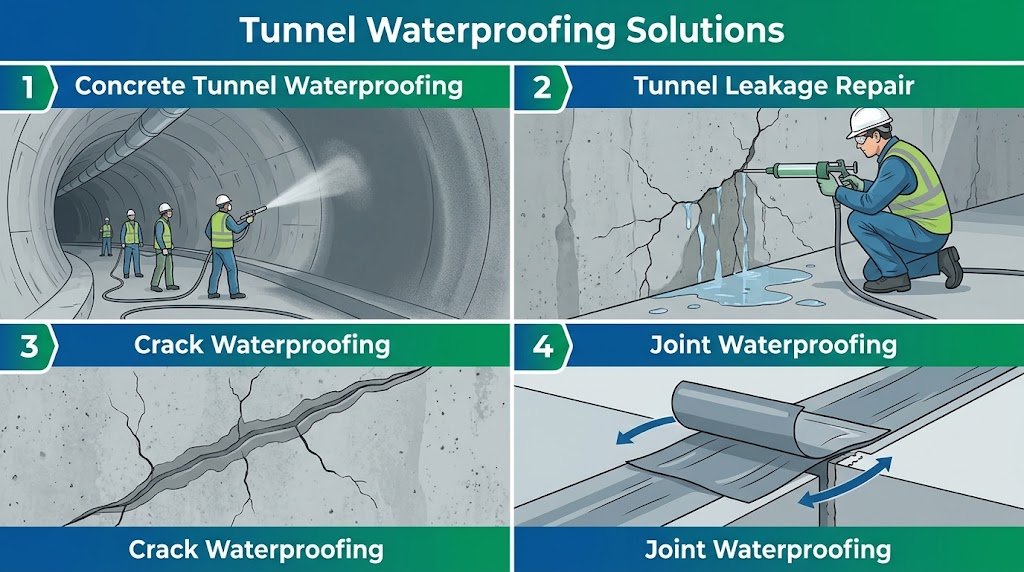
1. Concrete tunnel waterproofing

Concrete tunnel structures can be protected with suitable waterproofing coatings or membrane systems designed for the specific substrate and environmental conditions.


Walls, Ceilings, Floors, Linings, Underground chambers, Service passages

2. Tunnel leakage repair

Existing tunnels may develop leakage through cracks, joints, penetrations or defective concrete. Our approach begins with identifying the source of water ingress before selecting the appropriate repair and waterproofing system.


Inspection, Assessment, Concrete repair, Crack & joint treatment, Waterproofing, QC

3. Crack waterproofing

Cracks can become pathways for groundwater and moisture. Depending on crack condition, suitable repair and sealing methods are incorporated before the main waterproofing system is applied.

4. Joint waterproofing

Construction joints and expansion joints require special attention because movement and discontinuities can create potential leakage points. Suitable joint treatment and waterproofing reinforcement are incorporated according to project requirements.

tunnel waterproofing

How we work

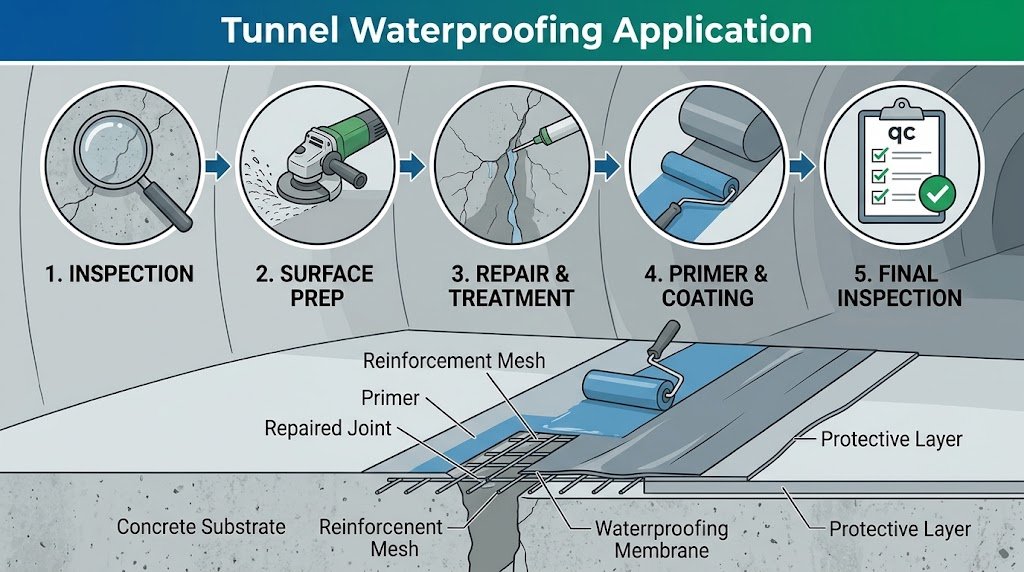
Tunnel waterproofing application process

A properly sequenced application is what makes a waterproofing system actually perform for the long term.

1. Site inspection

The tunnel is inspected to identify leakage, damp areas, cracks, joints, concrete defects, water pressure and existing waterproofing conditions.

2. Surface preparation

The concrete surface is cleaned by removing dust, laitance, loose concrete, oil, grease, weak coatings and other contaminants — essential for adhesion and performance.

3. Concrete repair

Damaged concrete, honeycombing, holes, cracks and surface defects are repaired using suitable repair materials.

4. Crack & joint treatment

Critical cracks, construction joints, expansion joints, corners and pipe penetrations are properly treated.

5. Primer application

Where required, a compatible primer or bonding layer is applied to improve adhesion between substrate and waterproofing system..

6. Waterproofing application

The selected system is applied per the approved specification and manufacturer’s technical requirements; multiple coats may be required.

7. Waterproofing reinforcement

Suitable mesh or reinforcement is incorporated at cracks, joints, corners and other critical transitions.

tunnel waterproofing

Tunnel Waterproofing Application Process

8. Final waterproofing coat

The selected system is applied per the approved specification and manufacturer’s technical requirements; multiple coats may be required.

9. Quality inspection

Checked for uniform coverage, coating continuity, pinholes, cracks, delamination, uncoated areas, joint treatment and required thickness.

10. Protective layer

Where required, a protective layer is installed to prevent mechanical damage during subsequent construction or finishing work.

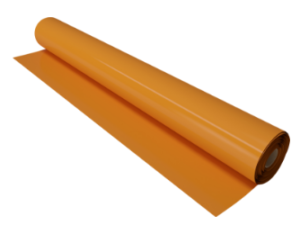
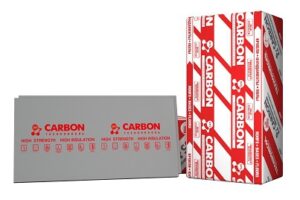
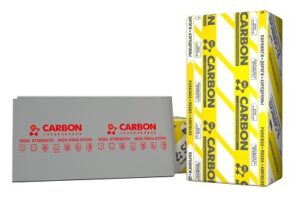
Tunnel Waterproofing Products

Why it’s worth doing properly

Benefits of professional tunnel waterproofing

Protection against water ingress

Helps prevent groundwater and moisture from penetrating tunnel structures.

Improved concrete durability

Helps reduce moisture-related deterioration of concrete.

Crack & joint protection

Critical cracks and joints are treated and reinforced as part of the system.

Reduced maintenance

Effective waterproofing reduces recurring leakage and water-related maintenance problems.

Long-term structural protection

A properly designed and applied system contributes to the long-term durability of underground structures..

Dry internal environment

Helps maintain a cleaner, drier internal environment for tunnel operations and maintenance.

Two different starting points

Two different starting points

Tunnel waterproofing for new construction

For new tunnels, waterproofing should be considered during design and construction. Early consideration helps minimize the risk of future leakage and expensive remedial work.

The system should be selected according to:
  • Tunnel construction method
  • Groundwater conditions & hydrostatic pressure
  • Concrete type and condition
  • Joint configuration
  • Drainage system
  • Tunnel lining & required service life
tunnel waterproofing

Tunnel waterproofing for existing structures

Existing tunnel waterproofing requires a different approach because the structure may already have cracks, leakage, damaged concrete, or failed waterproofing. Condition should be assessed before applying a new system.

  1. Existing condition assessment
  2. Leakage source identification
  3. Concrete & crack repair
  4. Joint treatment
  5. Surface preparation
  6. Waterproofing application
  7. Inspection & quality control
  8. Protective finish

About Level One

Why choose Level One?

Level One provides construction chemical and waterproofing solutions in Bangladesh for concrete, industrial, commercial, infrastructure and underground structures. We understand that every tunnel has different environmental and structural conditions, so the waterproofing system is selected according to actual project requirements — not a one-size-fits-all approach.

Site Assessment + Proper System Selection + Surface Preparation + Professional Application + Quality Control

If you are looking for a tunnel waterproofing contractor in Bangladesh, Level One can assist with new construction, existing tunnel rehabilitation, leakage treatment, crack repair, joint waterproofing and concrete protection.

Common questions

Frequently asked questions

Tunnel waterproofing is the use of specialized waterproofing systems to protect tunnel structures from groundwater, water seepage, hydrostatic pressure and moisture penetration.

Underwater tunnels can experience significant external water pressure. A reliable waterproofing and water-management strategy is therefore essential for protecting the tunnel structure and maintaining a dry internal environment.

The Bangladesh Bridge Authority’s project documentation identifies waterproofing capacity as important to the Karnaphuli Tunnel because it is located beneath the Karnaphuli River, and describes measures for preventing and managing water penetration.

Yes. Existing tunnels can be assessed, repaired and waterproofed depending on the source of leakage, concrete condition, water pressure, cracks, joints and existing waterproofing system.

Cracks are first assessed to determine their type and condition. Depending on project requirements, suitable crack repair, sealing, injection or reinforcement methods may be used.

The number of coats depends on the selected waterproofing product, required thickness, substrate condition, water pressure and project specification. The manufacturer’s technical data sheet and approved method statement should be followed.

application gallery