Basements Waterproofing Injection

Basement Waterproofing in Bangladesh

Basement Waterproofing Solutions for Reliable Protection Against Water Ingress

Basement waterproofing is essential for protecting underground spaces from groundwater, hydrostatic pressure, water seepage, dampness, and moisture-related damage. Level One provides complete basement waterproofing solutions in Bangladesh using technically selected waterproofing membranes, liquid-applied systems, cementitious waterproofing, crystalline waterproofing, waterstops, sealants, drainage and protection systems.

Whether you need waterproofing for a residential basement, commercial building, apartment, shopping mall, industrial facility, parking basement, foundation, underground structure or infrastructure project, Level One can support waterproofing system selection, material supply, technical consultation and application.
Why Is Basement Waterproofing Important?

Basements are located below ground level and are continuously exposed to surrounding soil moisture and groundwater. During Bangladesh’s monsoon season, groundwater levels can rise and water pressure against basement walls and slabs can increase.

Without proper waterproofing, water can enter through:

  • Basement walls
  • Floor slabs
  • Construction joints
  • Expansion joints
  • Concrete cracks
  • Pipe penetrations
  • Wall-to-floor junctions
  • Honeycombed concrete
  • Poorly sealed openings
  • Defective previous waterproofing


Continuous water ingress can cause damp walls, water leakage, mold growth, efflorescence, concrete deterioration, reinforcement corrosion and damage to interior finishes.

A properly designed basement waterproofing system helps create a reliable barrier against water penetration and improves the durability and service life of underground structures.


Types of Basement Waterproofing Systems

External Basement Waterproofing

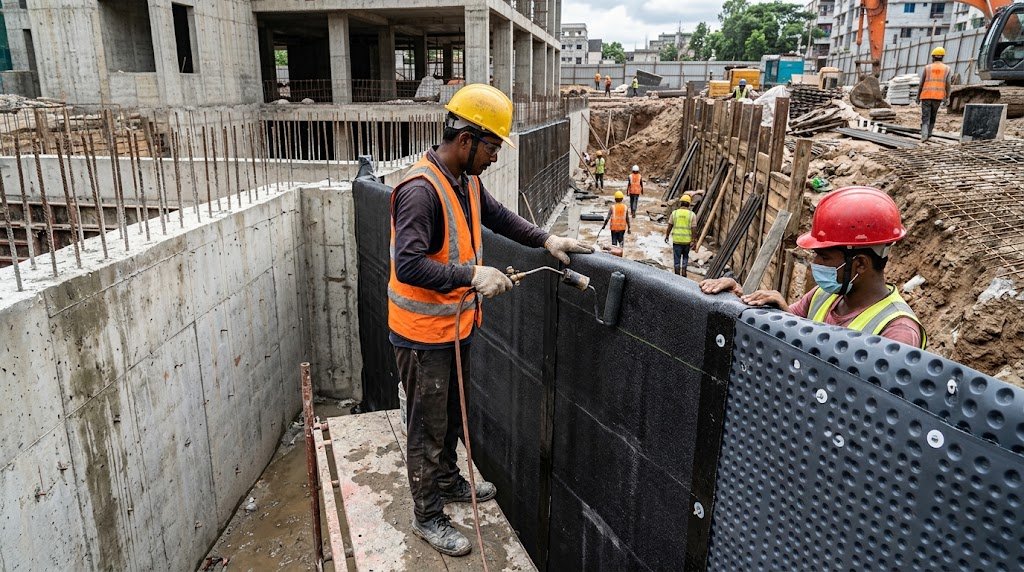
External waterproofing is applied to the outside or positive side of basement walls and foundations to prevent groundwater from reaching the structural concrete.

Depending on the project design, systems may include:

  • APP/SBS modified bituminous membranes
  • Self-adhesive membranes
  • HDPE waterproofing membranes
  • PVC/TPO membranes
  • Liquid-applied waterproofing
  • Bituminous coatings
  • Protection boards
  • Drainage and protection systems

External waterproofing is particularly suitable for new basement construction, where the exterior side of the structure is accessible.

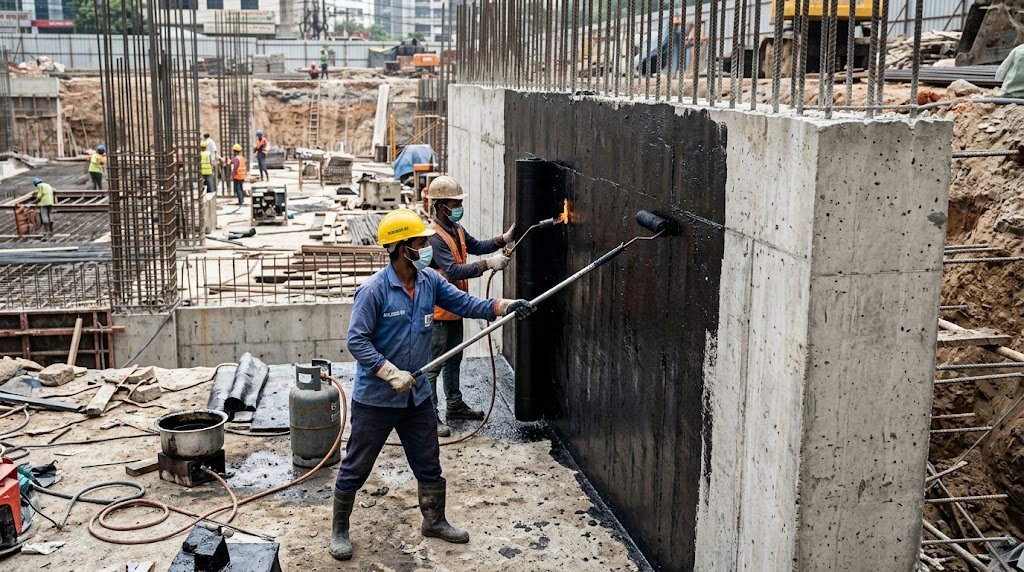
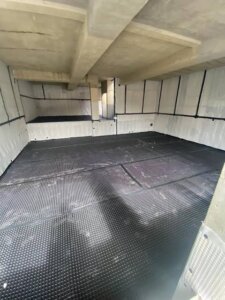
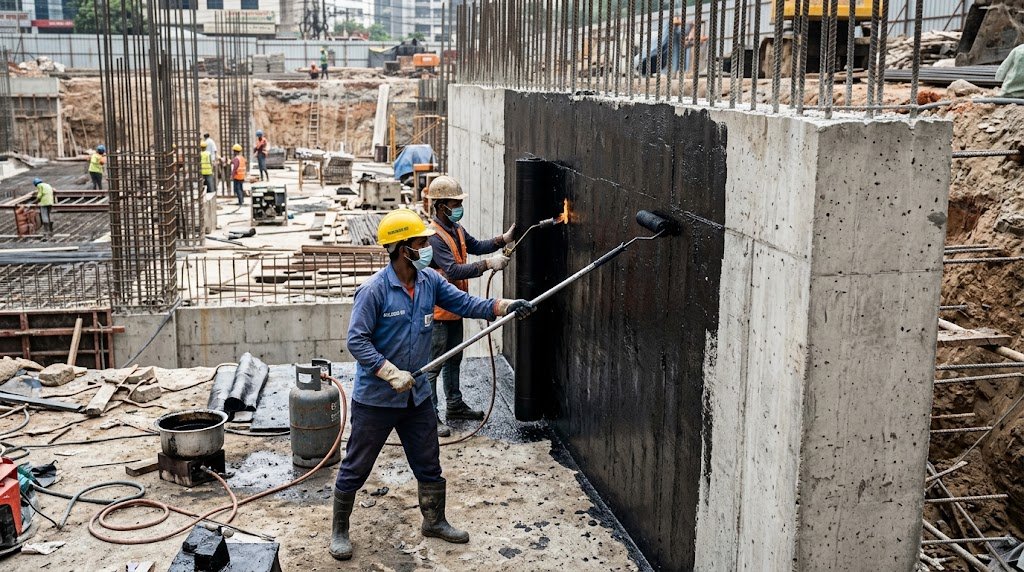
Basement waterproofing membrane application in Bangladesh
Internal Basement Waterproofing

Internal Basement Waterproofing

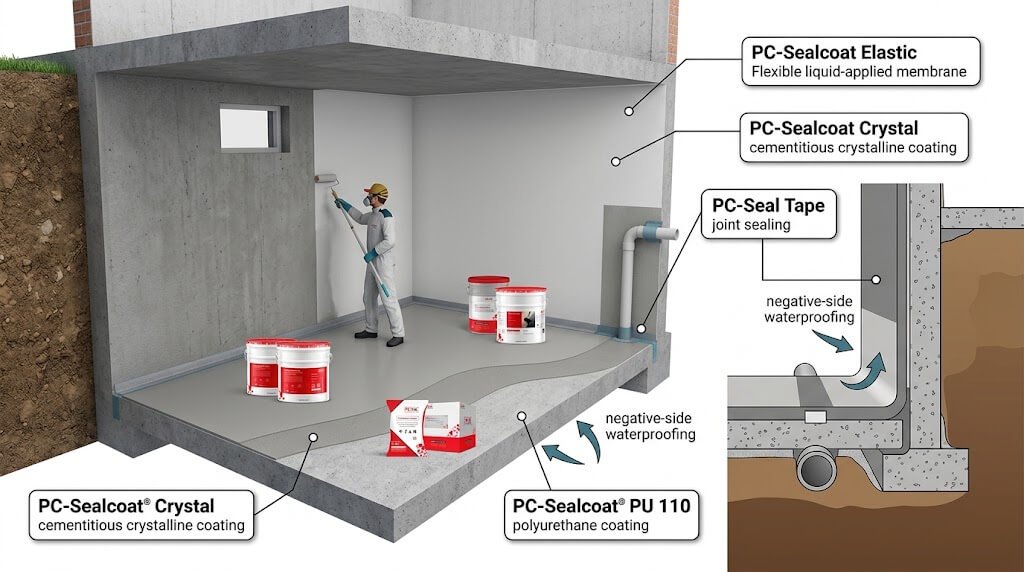
Internal waterproofing is applied from the inside of an existing basement when access to the external side is limited or impossible.

Internal waterproofing systems can include:

Cementitious waterproofing

Crystalline waterproofing

Liquid-applied membranes

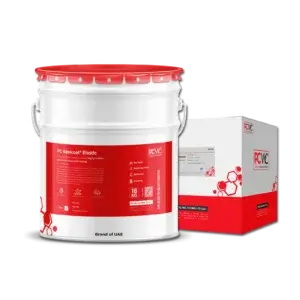
PU-based waterproofing systems

Crack and joint sealing

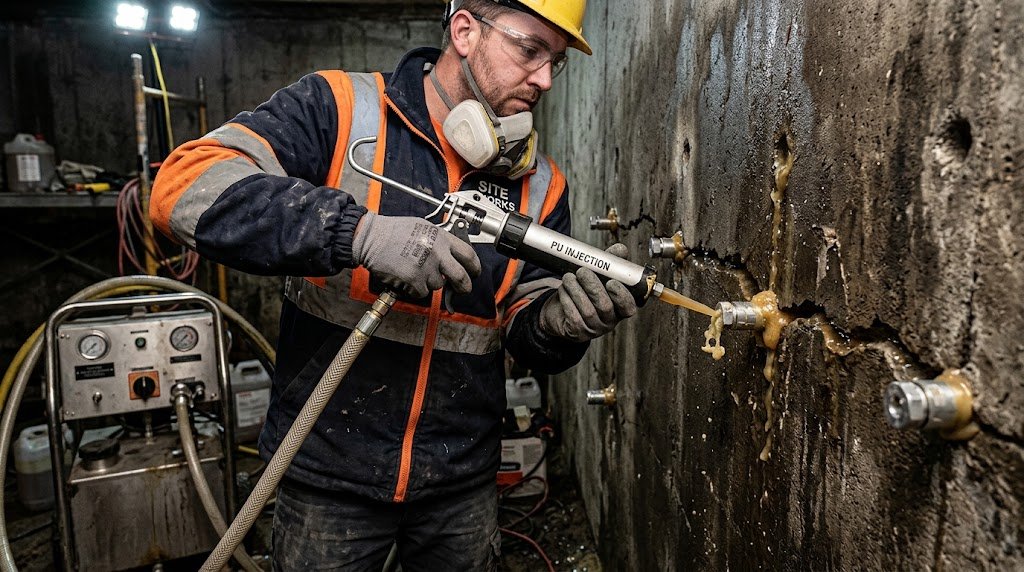
Injection waterproofing

Waterproof protective coatings

The appropriate system depends on the source of leakage, water pressure, concrete condition and whether the waterproofing is being applied from the positive or negative side.

Cementitious Basement Waterproofing

Cementitious Basement Waterproofing


Cementitious waterproofing systems are suitable for selected concrete and cementitious substrates. They can be used for walls, slabs, tanks and other underground structures depending on the product specification.

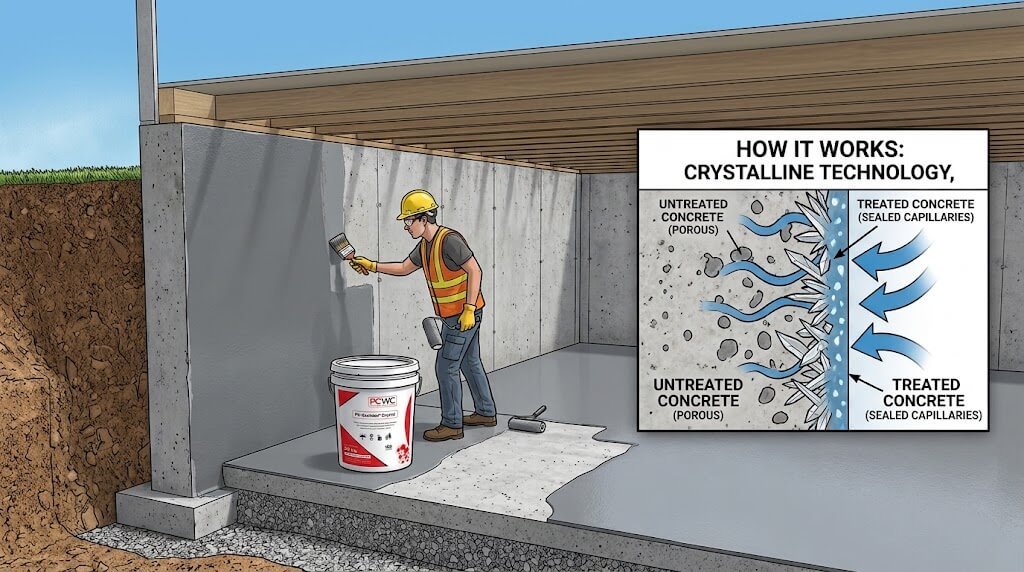
Crystalline systems such as PC-Sealcoat® Crystal can be used for concrete and mortar substrates and are designed to reduce water infiltration by sealing capillary pathways.

Bituminous Membrane Waterproofing

Bituminous Membrane Waterproofing


Modified bituminous membranes provide a durable waterproofing layer for basement walls, foundations and underground structures.

APP and SBS membranes can be selected according to:

  • Soil conditions
  • Water pressure
  • Substrate
  • Construction method
  • Required protection
  • Project specification

These systems are commonly used for new basement construction and foundation waterproofing.

Self-Adhesive Waterproofing Membrane

Self-Adhesive Waterproofing Membrane


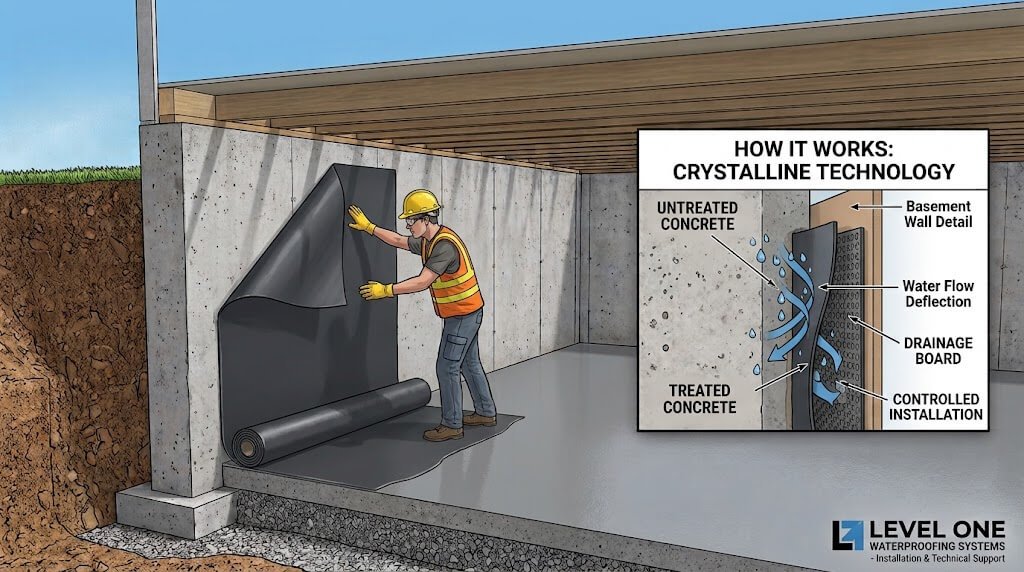
Self-adhesive membranes provide a membrane-based waterproofing solution without conventional torch application.

They can be considered for selected basement walls, foundations, details and other underground waterproofing applications where controlled installation is preferred.

Level One provides waterproofing systems for basements and underground structures, together with installation, consultation and technical support.

Polyurethane Waterproofing

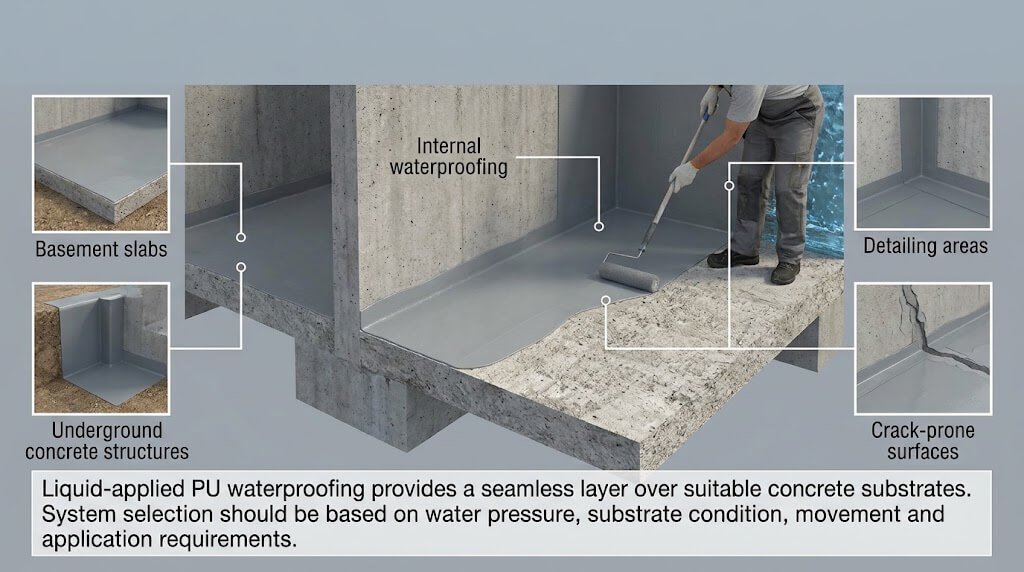
Liquid-applied polyurethane waterproofing systems can provide a seamless waterproofing layer over suitable concrete substrates.

Depending on the selected system, PU waterproofing can be considered for:

  • Basement slabs
  • Underground concrete structures
  • Internal waterproofing
  • Detailing areas
  • Crack-prone surfaces

System selection should be based on water pressure, substrate condition, movement and application requirements.

Polyurethane Waterproofing
Crystalline Waterproofing

Crystalline Waterproofing

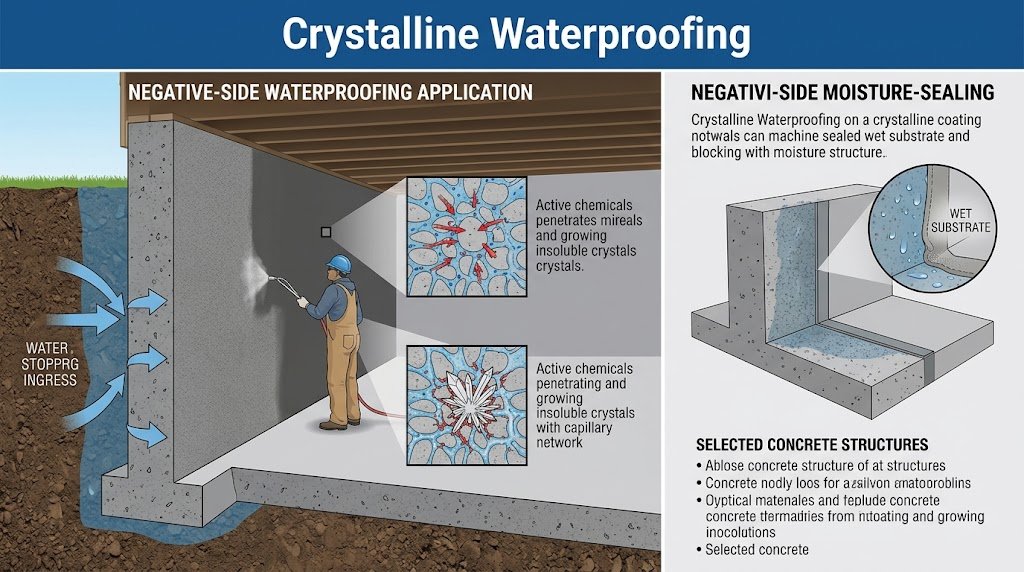
Crystalline waterproofing uses active chemicals that penetrate cementitious substrates and react within the capillary network to form insoluble crystals.

This type of system can be particularly useful for selected concrete structures where negative-side waterproofing or moisture-sealing is required.


Basement Waterproofing for Different Conditions

New Basement Waterproofing

New basement structures provide the best opportunity to install a complete external waterproofing system before backfilling.

The system can be designed around the basement structure and may include:

Concrete Structure → Primer → Waterproofing Membrane → Joint Treatment → Protection Board → Drainage/Protection → Backfilling

The exact system should be selected according to the structural design, groundwater conditions and project specification.

Existing Basement Waterproofing

Existing basements often require a different waterproofing strategy because the external wall may no longer be accessible.

Before waterproofing, the existing basement should be inspected to identify:

  • Leakage locations
  • Water pressure
  • Crack patterns
  • Joint conditions
  • Concrete defects
  • Existing waterproofing
  • Drainage problems
  • Water entry points

A suitable internal waterproofing, injection or negative-side waterproofing system can then be considered.

Basement Leakage Repair

If your basement is already leaking, simply applying a waterproof coating may not solve the underlying problem.

The source of water ingress should first be identified.

Typical basement leakage repair may involve:

Leakage Inspection → Water Ingress Identification → Crack/Joint Treatment → Concrete Repair → Waterproofing → Quality Inspection

Active water leakage may require specialized sealing or injection treatment before the main waterproofing system is applied.

Basement Waterproofing Solutions by level One

Basement Waterproofing Applications

Bangladesh’s high humidity, seasonal rainfall and monsoon conditions make effective waterproofing particularly important for underground structures.

During heavy rainfall, groundwater levels can rise around underground structures. If the basement waterproofing system is inadequate, water pressure can force moisture through cracks, joints and porous concrete.

For this reason, basement waterproofing should not be treated simply as a coating application.

A reliable system should consider:

Groundwater Condition + Water Pressure + Concrete Structure + Joints + Drainage + Waterproofing System + Protection

Basement Waterproofing Products